
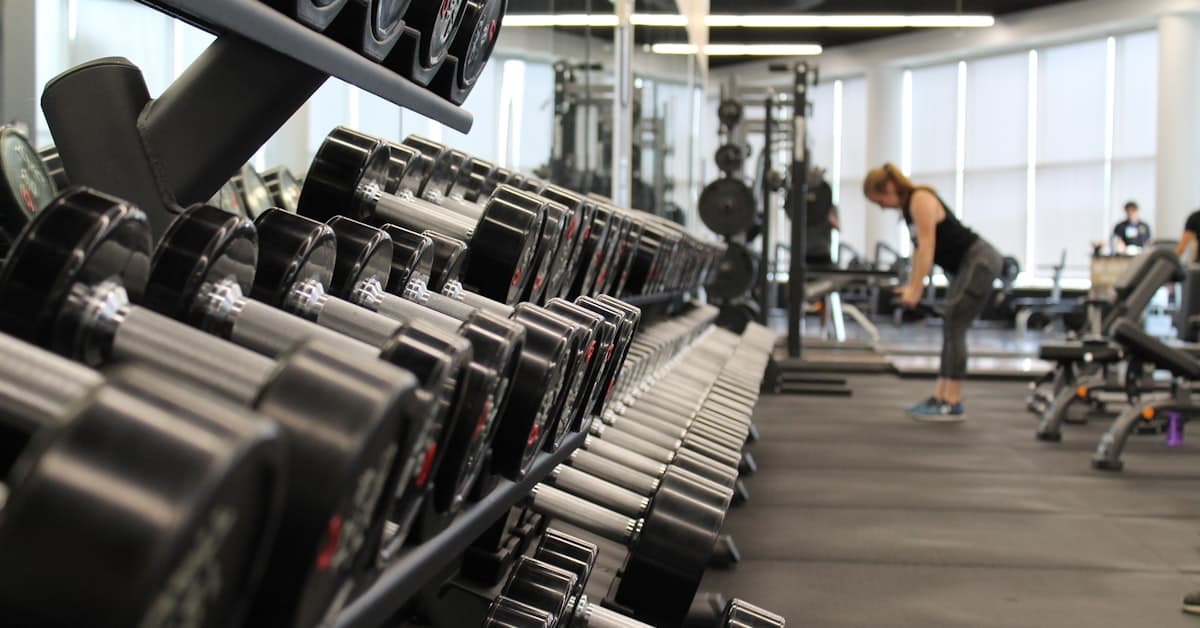
Walking into a gym for the first time can feel intimidating, but it is also the start of something genuinely exciting. The gym for beginners is not about lifting the heaviest weights or looking like you know everything on day one. It is about showing up, learning the basics, and building momentum. Your first 30 days set the tone for everything that follows, so let us make them count.
This guide breaks down exactly what to expect, week by week, so you can start with confidence instead of confusion.
The Right Mindset for Your First Month
Before you touch a single dumbbell, understand this: progress at the start comes from consistency, not intensity. You do not need to punish yourself in every session. You need to show up regularly, learn how movements feel, and let your body adapt.
Expect some awkwardness. Everyone, including the strongest person in the room, once had a first day. Nervousness is normal, and it fades faster than you think. If the idea of being watched worries you, you are far from alone, and it is completely manageable. Our guide on how to overcome gym anxiety and feel confident in any workout environment is a great companion to this article.
Gym Etiquette Basics
Good etiquette makes the gym pleasant for everyone and helps you feel like you belong. A few simple habits go a long way:
- Wipe down equipment after you use it.
- Re-rack your weights when you are done.
- Do not sit on a machine while scrolling your phone between sets for long stretches.
- Give people space when they are lifting.
- Ask politely if you can work in on a machine someone is sharing.
Follow these and you will fit right in from day one.
Learning Proper Form First
Here is the single most important lesson of your first 30 days: master form before you chase heavier weight. Good technique protects your joints, targets the right muscles, and builds a foundation you will rely on for years.
Start light, even lighter than you think you need. Focus on controlled movement, a full range of motion, and steady breathing. If you are unsure whether you are doing an exercise correctly, ask a coach. This is exactly where professional guidance pays off, because bad habits are much harder to fix later than to prevent now.
A Simple Full-Body Starting Structure
As a beginner, you do not need a complicated split that trains one muscle per day. A full-body routine two or three times per week is ideal. It lets you practice key movements often, which speeds up your learning, and it gives each muscle plenty of recovery.
A balanced full-body session covers these movement patterns:
- A squat pattern such as a goblet squat or leg press for your lower body.
- A push such as a chest press or push-up for your chest, shoulders, and triceps.
- A pull such as a lat pulldown or seated row for your back and biceps.
- A hinge such as a hip thrust or light Romanian deadlift for your glutes and hamstrings.
- A core exercise such as a plank for stability.
Do two or three sets of each, resting as needed. That is a complete, effective beginner workout.
Understanding Progressive Overload
Your muscles grow and get stronger when you gradually ask more of them. This principle is called progressive overload, and it is the engine behind all fitness progress. In practice it simply means doing a little more over time, whether that is one extra rep, a slightly heavier weight, or better control than last week.
You do not need to add weight every session. Small, steady increases are safer and more sustainable. Keep a simple log of what you lift so you can see your progress add up. Watching those numbers climb is one of the most motivating parts of training.
Do Not Skip Rest and Recovery
Rest is not the opposite of training. It is part of it. Your muscles rebuild and strengthen while you recover, not while you lift. Aim for at least one full rest day between sessions when you start, prioritize seven to nine hours of sleep, and drink plenty of water.
If you enjoy staying active on off days, gentle movement like walking is perfect. Just give your body the recovery it needs to come back stronger.
Realistic Week-by-Week Expectations
Knowing what to expect keeps you from getting discouraged. Here is a realistic picture of your first month.
- Week 1: Everything feels new. You are learning where equipment is and how movements feel. Expect some muscle soreness a day or two after training. This is normal and eases as your body adapts.
- Week 2: Movements start feeling more natural. You are less winded, and the gym feels less intimidating. Soreness usually lessens.
- Week 3: You begin to notice small strength gains. Weights that felt awkward now feel manageable. Your confidence grows noticeably.
- Week 4: Training starts to feel like a habit rather than a chore. You may notice better energy, improved mood, and early changes in how your clothes fit.
Visible physical changes take longer than a month, so focus on the wins you can feel now: more energy, better sleep, and rising confidence. If you want to add variety later, our article on the science behind HIIT and why it works is a great next read.
Your first 30 days are about building a foundation you can grow on for life. Be patient, stay consistent, and celebrate showing up. When you are ready to make it easier with expert guidance and a plan built for you, explore our membership options and let a Quick Body coach help you start strong.