
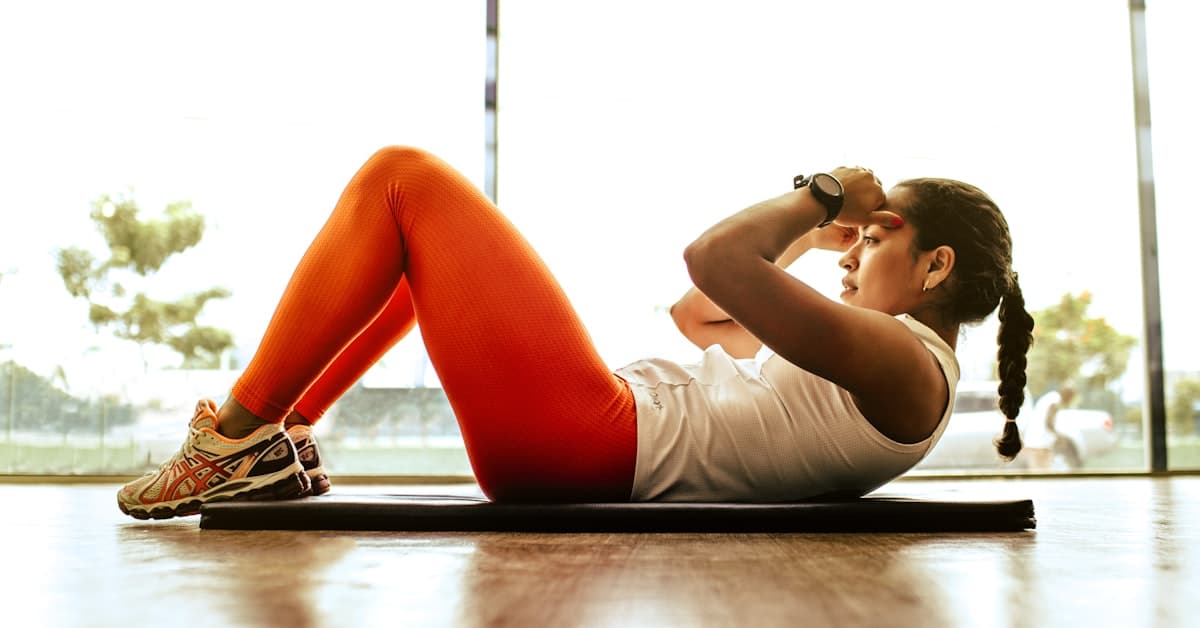
You do not need a gym membership, fancy machines, or a single dumbbell to get fit. Your own body is one of the most versatile pieces of training equipment there is. A well-designed home workout with no equipment can build strength, burn fat, improve your mobility, and boost your endurance, all from your living room. Whether you travel often, have a tight budget, or simply prefer training at home, this guide will show you how to put together a routine that actually delivers. Let's build something you can start today.
Why Bodyweight Training Works
Bodyweight training is far more powerful than most people assume. Push-ups, squats, and lunges have built strong, capable bodies for generations, and the science backs it up. When you move your own bodyweight through space, you train multiple muscles at once while also challenging your balance, coordination, and core stability in ways machines cannot.
The benefits go beyond muscle. Home training removes every common excuse. There is no commute, no waiting for equipment, and no cost. You can squeeze in a session whenever you have twenty spare minutes. That convenience is exactly what makes it sustainable, and consistency is what drives real results. Bodyweight work is also joint-friendly and endlessly adaptable, so it suits complete beginners and advanced athletes alike.
The Key Movement Patterns to Cover
A balanced routine is not about doing random exercises. It is about training the fundamental ways your body moves. Cover these patterns and you will build a strong, well-rounded physique with nothing but the floor beneath you.
- Push: Exercises like push-ups and their variations train your chest, shoulders, and triceps.
- Pull substitute: Without a bar, use moves like the superman hold, reverse snow angels, and prone back extensions to strengthen your back and rear shoulders. A sturdy table can also allow inverted rows.
- Squat: Bodyweight squats, split squats, and lunges build powerful legs and glutes.
- Hinge: Glute bridges, single-leg hip raises, and good-morning style movements target your hamstrings and lower back.
- Core: Planks, dead bugs, mountain climbers, and leg raises build a strong, stable midsection.
- Cardio: Jumping jacks, high knees, burpees, and squat jumps raise your heart rate and burn calories.
Hitting each of these patterns across your week keeps your body balanced and helps prevent the aches that come from overtraining some muscles while neglecting others.
A Sample Full-Body Routine
Here is a simple, effective full-body workout you can do anywhere. Warm up first with a few minutes of light movement like marching in place and arm circles. Then move through the following exercises. Beginners can start with fewer rounds and build up.
- Bodyweight squats — 3 sets of 12 to 15 reps
- Push-ups — 3 sets of 8 to 12 reps, dropping to your knees if needed
- Reverse lunges — 3 sets of 10 reps per leg
- Glute bridges — 3 sets of 15 reps
- Superman holds — 3 sets of 20 to 30 seconds
- Plank — 3 sets of 20 to 40 seconds
- Mountain climbers — 3 sets of 30 seconds
Rest around 45 to 60 seconds between sets. Aim to complete this routine three times a week on non-consecutive days, giving your muscles time to recover in between. In under half an hour you will have trained your entire body.
Adding a cardio finisher
If you want to boost fat loss and conditioning, finish with a short burst of high-intensity intervals. Try 30 seconds of hard work, such as burpees or squat jumps, followed by 30 seconds of rest, repeated for six to eight rounds. This approach is remarkably efficient, and you can learn why in our breakdown of the science behind HIIT and why it works.
How to Keep Progressing Without Weights
The biggest myth about bodyweight training is that you will stop making progress once the exercises get easy. Not true. You simply need to keep challenging your muscles, a principle called progressive overload. Here is how to do it without adding a single weight.
- Increase reps and sets. Do more work over time as you get stronger.
- Slow down the tempo. Lower yourself over three to four seconds to increase the challenge dramatically.
- Progress to harder variations. Move from knee push-ups to full push-ups, then to decline or one-arm progressions.
- Reduce rest. Shorter breaks between sets raise the intensity and improve conditioning.
- Add single-leg or single-arm work. Training one limb at a time doubles the load on that side.
- Add pauses. Hold the hardest position of a movement for a second or two to build strength.
With these tools, a home routine can keep delivering results for years.
Staying Consistent
The best routine is the one you actually do. Schedule your workouts like appointments, set a specific time, and keep the barrier low so it is easy to start. Track your progress so you can see yourself improving, and be patient. Real change takes weeks, not days. Setting clear, achievable targets makes all the difference, and our guide on how to set realistic fitness goals and stick to them will help you stay the course.
Training at home is a fantastic start, and if you ever want expert guidance, structure, or a little extra motivation, we are here for you. Explore our membership options at Quick Body in Marrakech and let our coaches help you take your progress even further. Your strongest self is built one session at a time.