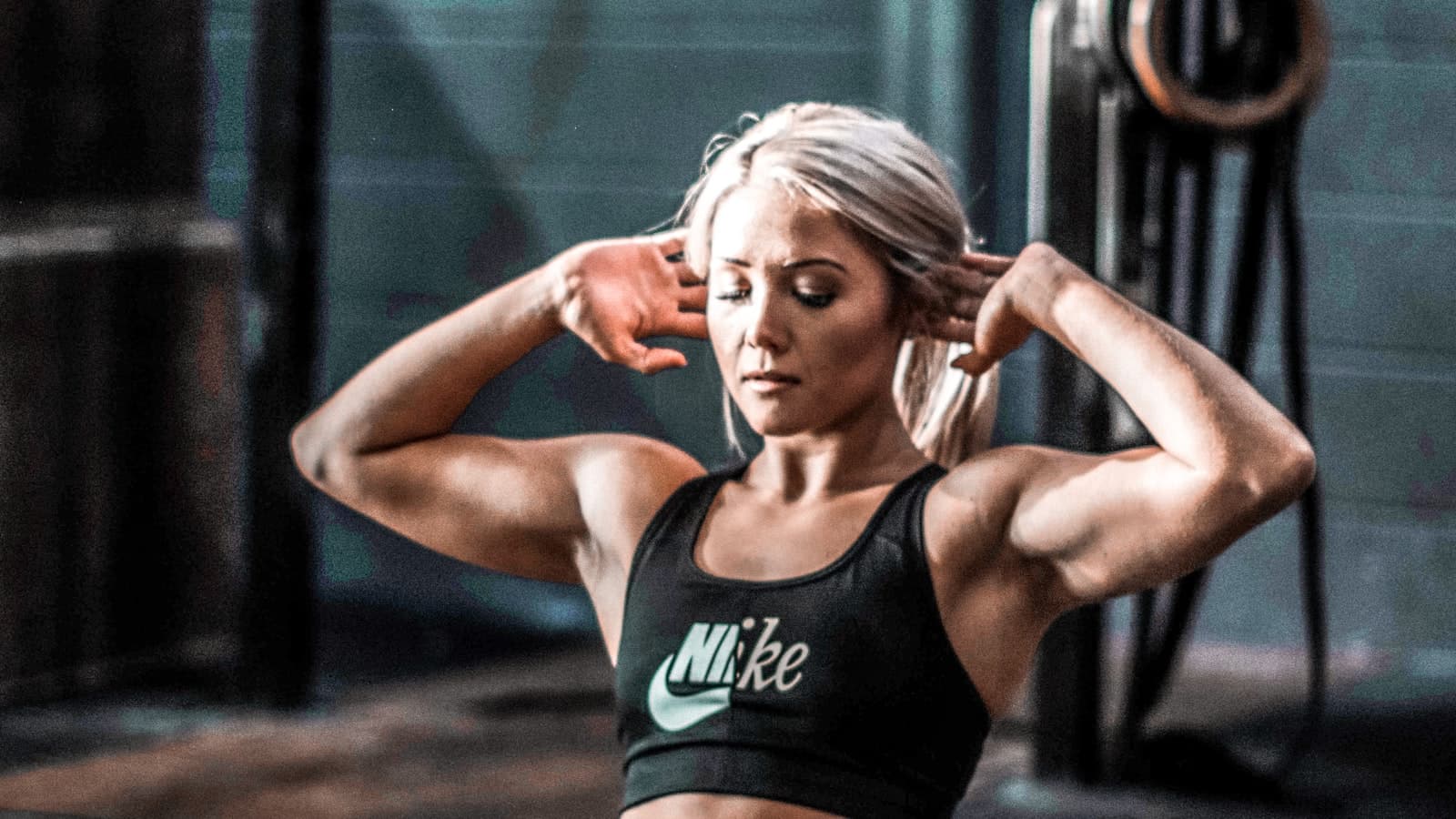
Training through a Marrakech summer is no small feat. Our afternoons are famously hot and dry, and the air pulls moisture from your body faster than you might realize. That makes staying hydrated in the heat one of the most important things you can do for your performance, your recovery, and your safety. Whether you are lifting indoors or moving through an outdoor session, understanding how to fuel your body with fluids will keep you strong, focused, and feeling great. Here is your complete guide to hydration for training under the Moroccan sun.
Why Hydration Matters for Performance and Recovery
Water is not a nice-to-have. It is essential to nearly every process that lets you train well. Your body is roughly 60 percent water, and even mild dehydration of just two percent of your body weight can noticeably reduce strength, endurance, and focus. When you are low on fluids, your heart works harder, your muscles fatigue sooner, and your coordination slips.
Hydration also drives recovery. Water carries nutrients to your muscles, helps flush out waste products, keeps your joints lubricated, and regulates your body temperature through sweat. In a hot, dry climate like Marrakech, you sweat more and that sweat evaporates quickly, so it is easy to lose a large amount of fluid without noticing. Staying ahead of that loss keeps your workouts productive and your body ready for the next one.
How Much Water Do You Actually Need
A helpful daily baseline is about 33 milliliters of water per kilogram of body weight. For someone weighing 70 kilograms, that works out to roughly 2.3 liters a day just to cover normal needs. But that is only the starting point.
When you train, you need more. Add roughly 350 to 700 milliliters of water for every hour of exercise, and increase that further on hot days when your sweat rate climbs. During a tough summer session in Marrakech, it is easy to need an extra liter or more beyond your baseline. Rather than guessing, take the pressure off and let our water intake calculator estimate your personal daily target based on your weight and activity level. It gives you a clear number to aim for instead of leaving it to chance.
Do Not Forget Electrolytes
Water alone is not always enough, especially when you sweat heavily. Sweat carries important minerals called electrolytes, mainly sodium, potassium, and magnesium, which control muscle contractions, nerve signals, and fluid balance. Lose too many without replacing them and you may feel dizzy, crampy, or drained even while drinking plenty of water.
For shorter sessions, plain water is usually fine. For longer or very sweaty workouts in the heat, add electrolytes through a pinch of salt in your water, an electrolyte tablet, or naturally salty and mineral-rich foods. A simple homemade mix of water, a small amount of sea salt, and a squeeze of lemon works well and is easy on the budget.
Know the Warning Signs of Dehydration
Your body sends clear signals when it needs fluids. Learn to recognize them and act early rather than pushing through.
- Thirst, which is already an early sign you are behind
- Dark yellow urine, when pale straw color is the goal
- Headache, dizziness, or lightheadedness
- Unusual fatigue or a rapid drop in performance
- Muscle cramps
- Dry mouth and lips
- A racing heartbeat or feeling overheated
If you feel confused, stop sweating despite the heat, or feel nauseous, stop immediately, get to a cool place, and rehydrate. These can be signs of heat exhaustion, which is serious and should never be ignored.
Timing Your Hydration Around Training
When you drink matters almost as much as how much. Spreading fluids across the day beats gulping a huge amount at once.
- Before training: Drink around 400 to 600 milliliters in the two hours before your session so you start well hydrated. Sip, do not chug.
- During training: Take small, regular sips every 15 to 20 minutes rather than waiting until you are thirsty. Keep a bottle within reach at all times.
- After training: Rehydrate steadily over the following hours. A good habit is to drink to replace what you lost, and to include some sodium and food to help your body hold onto the fluids.
Training Smart in Peak Heat
Hydration works best alongside sensible scheduling. In the height of a Marrakech summer, a few adjustments make a big difference.
- Train in the early morning or evening when temperatures are lower and the sun is gentler.
- Choose shaded or air-conditioned spaces during the hottest hours, roughly midday to late afternoon.
- Wear light, breathable, moisture-wicking clothing that helps sweat evaporate.
- Ease into hot-weather training over a week or two so your body can adapt to the conditions.
- Listen to your body and dial back intensity on brutally hot days. There is no shame in a lighter session.
Good hydration is one of the simplest habits with the biggest payoff, and it pairs naturally with rest and smart recovery to keep your progress on track. Treat your fluid intake as part of your training, not an afterthought.
Staying hydrated is a foundation you build one day at a time, and the right guidance makes it effortless. If you want a training plan built for the Marrakech climate and personal advice on fueling your sessions, our coaches are here to help. Reach out to the Quick Body team and let's keep you strong, safe, and performing at your best all summer long.